


– The story behind the arrival of Lego on our coastline.

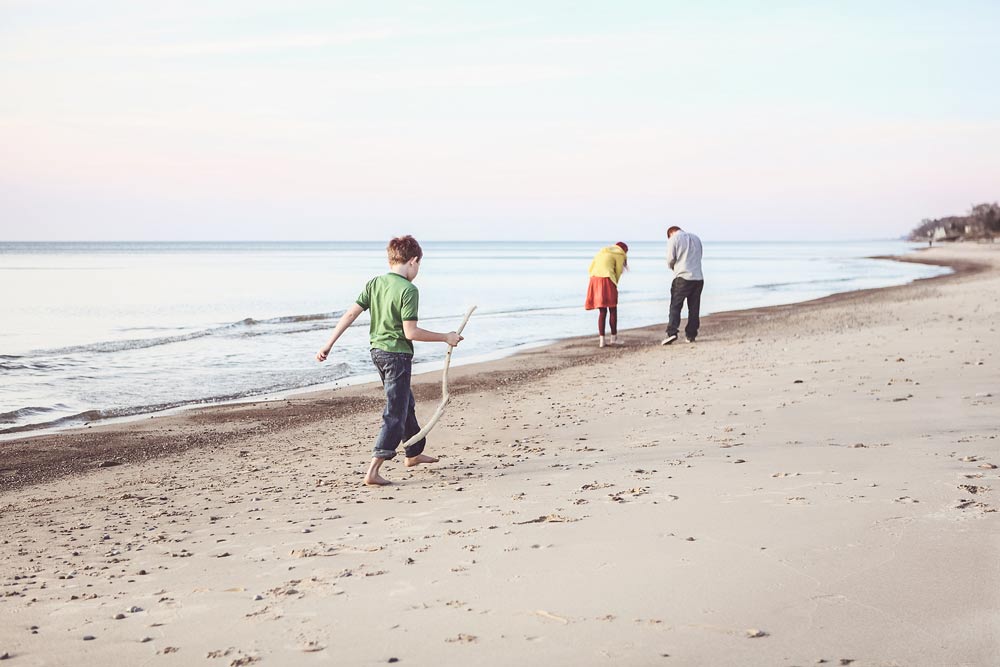
Devon is blessed with two wonderful stretches of coastline to the North and South of the county. And I’ve seen many families happily beach combing on holidays and weekends, in all weathers.
A phenomenon that highlights our plastic footprint and the power of global seas was marked by the events of 13th February 1997.
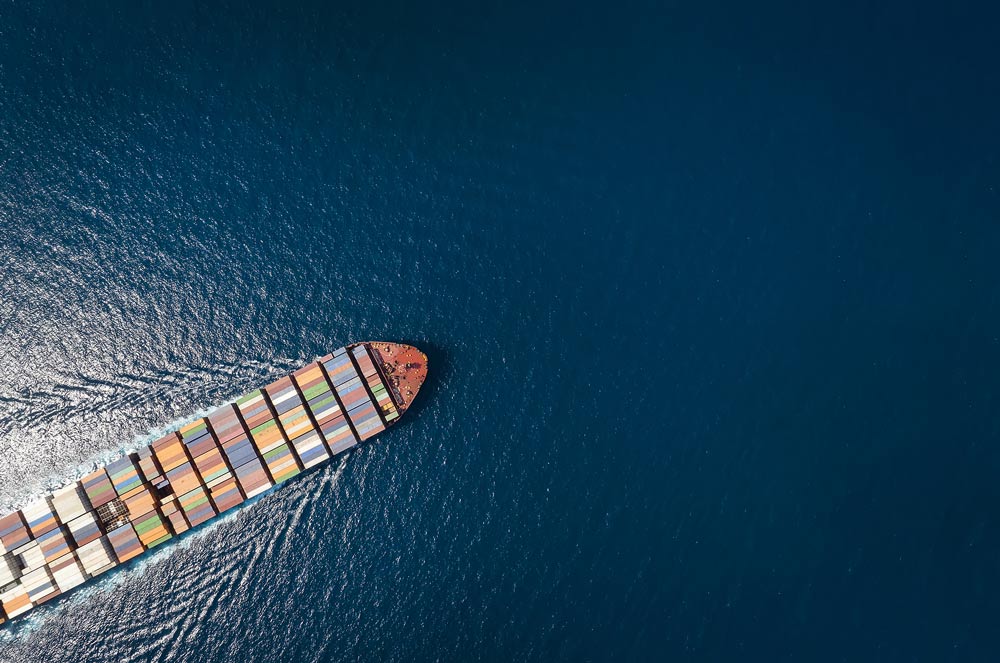
The cargo ship “Tokio Express” was en-route from New York to Rotterdam, sailing her route 20 miles off the Devon and Cornish Coastline. She was one of many such ships I regularly see passing the mouth of the River Dart.
By chance she was caught by a freak 28-foot-high wave, losing 62 Containers into the sea. Famously one container held a mass order of Lego pieces were onboard and some 4.8 million pieces are said to have spilled into the sea.
In a bizarre twist also, many of the pieces that were lost were seaside themed and have even become collectable. Think sets of flippers, sharks, daisies, octopuses.
The bigger picture is what the disaster highlighted about plastic and its journey through the global seaways
 For one thing, beachcombers are still turning up Lego pieces over 25 years later.
From the 4,750,000 plus pieces on board, around 70% were light enough to float – and these tiny pieces have spread far and wide washing up around the world, particularly in the early years.
But Tracy Williams, a well-known Cornish based beachcomber and environmental campaigner, reports we are now also finding pieces that sank in the original disaster too – tracking how it moves along swept by sea-floor currents before resurfacing.
Now we can learn the long-term impact of this plastic washing around the seas and wildlife.
Somehow, thinking about colourful children’s’ plastic Lego is such a strong image of environmental upset. Problems follow like wildlife eating Lego and plastics as food, getting trapped, becoming infertile Techniques like X-ray Fluoroscopy have shown these tiny washed-up Lego blocks have a 1300 year lifespan. So we have a long time to study this!
Back to Tracey, who has documented a life time of finds from this Great Lego Spill, and last year published a book “Adrift: The Curious Tale of Lego Lost at Sea” . I’m sure exhibitions of her finds will follow in years to come – Tracey reports a Lego octopus surfacing in Texas and flowers in Australia. Just imagine if they have travelled that far on the ocean currents.
 Of course, Lego isn’t the only plastic under the sea. Much of what is found is unsurprisingly Covid-19 related. But to the credit of the Lego Company, they have changed practices to recycle more plastic bricks and avoid moving shipments by seas since the disaster.
But keep a look out on your beach walks – you never known if you might find that lifejacket, black and green octopus or daisy . And of course if you do – take it home!
Julie Gray
14 Feb, 2023