

- Follow incredible sightings of Bluefin Tuna once more in South Devon , 2023.
This Autumn there have been a flurry of sightings of Atlantic Bluefin Tuna hunting for fish in South Devon – notably a recent sighting during the first week of October in Budleigh Bay, just along from Sidmouth by two kayakers – Peter Williams and Chris Boorman.
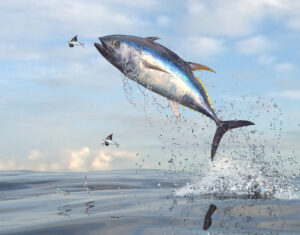 The guys described watching around eight tuna , each around two metres in length, leaping right out of the water , then crashing back in , all within a few metres of their kayaks. They captured video footage too.
This really is an exciting phenomenon in our coastal waters ; these are the largest and most valuable fish in the ocean. Fast swimmers they can reach 40 mph and are not that bothered abut water temperatures.
Bluefin tuna have been seen within our coastal waters in previous years . But they always trigger great interest. This predatory fish actually disappeared from British waters in the 1960s following commercial fishing for tuna . A record still stands for a line- caught tuna being landed in Whitby in 1933. And this monster weighed 386 Kg.
A later ban on fishing for tuna in UK waters was put in place; no tuna could be landed for consumption . And this still remains . But there has been a bit of a twist in allowing tuna to be caught and then released under certain conditions.
This is the CHART programme – the Catch and Release Tagging programme – authorised by DEFRA. Each year DEFRA decide whether the CHART can go ahead for research and data gathering. Once more, in 2023, it has been allowed but has had to take reduced funding for its roll out this year.
Only eligible skippers who have been trained on the scheme may go out to catch English Atlantic bluefin tuna. A limit of around 25 boats are allowed to fish for tuna.
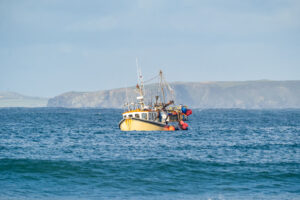
The Chart survey season lasts around 13 weeks. And the licensed skippers may take recreational anglers out to actually help catch tuna in a controlled way, tag them and release them straight back into the ocean. These anglers pay handsomely for these encounters which helps local communities survive.
The result is a monitoring system for tuna in our waters, assessing their sustainability and reasons for arriving on our shores and putting controls in place for any fishing. The Bluefin Tuna UK group is also involved. After all , the tuna is a very prized and expensive fish around the world and vulnerable to opportunist fishers if not protected.
Often fish are so large – some the size of a baby elephant – that they cannot be landed with a line and rod. Specialist tackle must therefore be used for these fish taggers to avoid leaving hooks in the fish mouths.
So are Bluefin Tuna numbers on the rise in UK waters?
Well in recent years sightings have increased – particularly late summer to winter as tuna feed on shoals of fish from deeper waters like sprats, sardines and herring. And so they arrive.
Other factors influencing their presence are conservation, climate change , and changes to the marine environment
But as the population of Bluefin tuna starts to increase, so begin other challenges for the Southwest. There is talk of a trial commercial fishery and a recreational fishery in 2024. It wasn’t so long ago that tuna had disappeared from our oceans due to overfishing. Sightings were sporadic even as recently as the 1990s, when the conservationists got involved; in 2021 this species was taken off the endangered species list.
Great news – but Monty Halls did say this week that large number of tuna tend to attract great white sharks next….
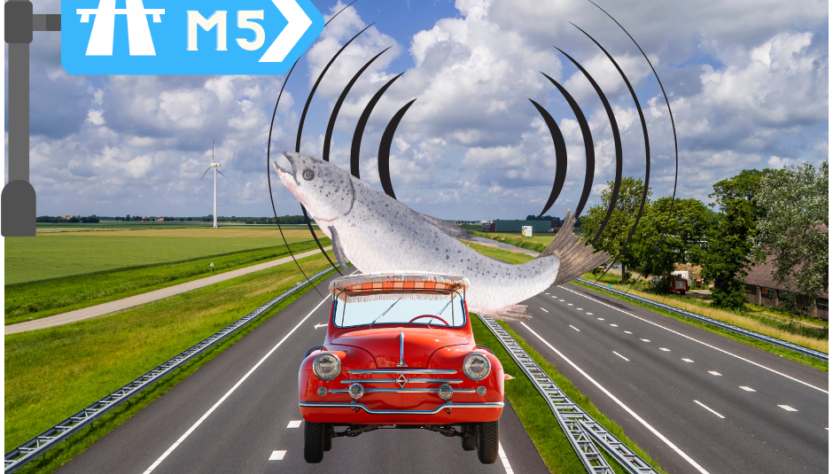
 The M5 twist.
CHART scheme scientists at Defra and Exeter University track the tags they place. Researchers had satellite-tagged tuna off Plymouth . One tag was registered on a beach in Cornwall. But then it moved up along the M5 via Birmingham to Lancashire.
The PhD students involved then set about finding the missing tuna tag. I remember hearing the story on local radio here in Devon. Similar stories aired in Birmingham and Lancashire. The radio appeals led to Brian Shuttleworth who had found the tag amongst seaweed on the Cornish beach.
As confirmed by Exeter scientist, Dr Lucy Hawkes, this intriguing little device found its way back to Ribby, Lancashire in the luggage. Tags only transmit their location , but if they can be retrieved when they fall off fish in around 6 days, these tags can provide much more information. If they fall off in the ocean, then of course there is no chance in recovery.
So the tunafish maybe didn’t head up the M5 motorway, but the adventure to recover the dropped tag from dry land was so worthwhile!