

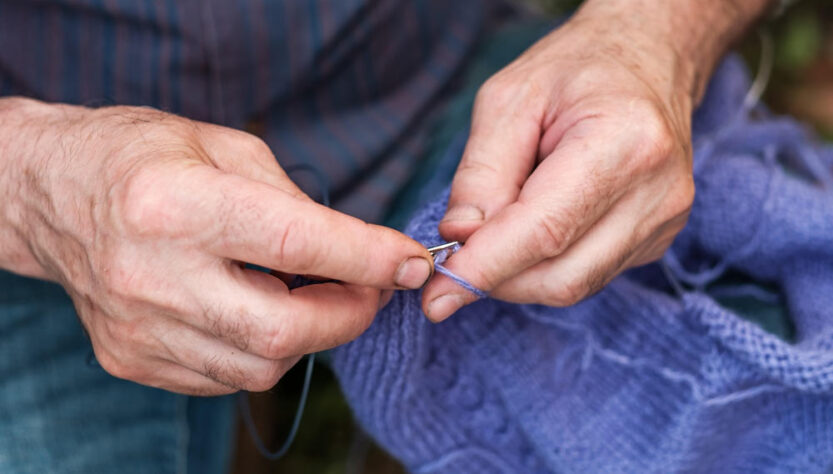
Help to preserve Devon’s knitted fisher jersey heritage.
Generations of us know about the “traditional guernsey jumper, or gansey”; it’s been a feature of classical seamen attire for decades. In fact the industry can be traced back to the late 15th Century – where a Royal Warrant was issued to import wool from England into Guernsey and export knitted goods to Normandy and Spain.
And it was the during 17th Century when seafarers around the British Isles took onboard the Gansey. Around the country, fishing communities knitted their own designs with variations of increasing complexity. These became passed down through generations – often from memory and not even written down. And the gansey jumper was seen almost like a fisherman’s uniform throughout the UK and much of Europe.
Recently I heard of a project to preserve the Plymouth version of this jumper and a call for any clues to traditional Plymouth patterns that have been lost in a bygone age.
For those enthusiastic to follow up upon this project – The Conscious Sisters are two sisters who are working under The Gathering Project, trying to unravel and preserve the history of Plymouth’s version of these knitted jumpers. Their aim is to re-create a traditional Plymouth gansey.
We know the Plymouth Gansey was worn by fishermen up until the 1970s.
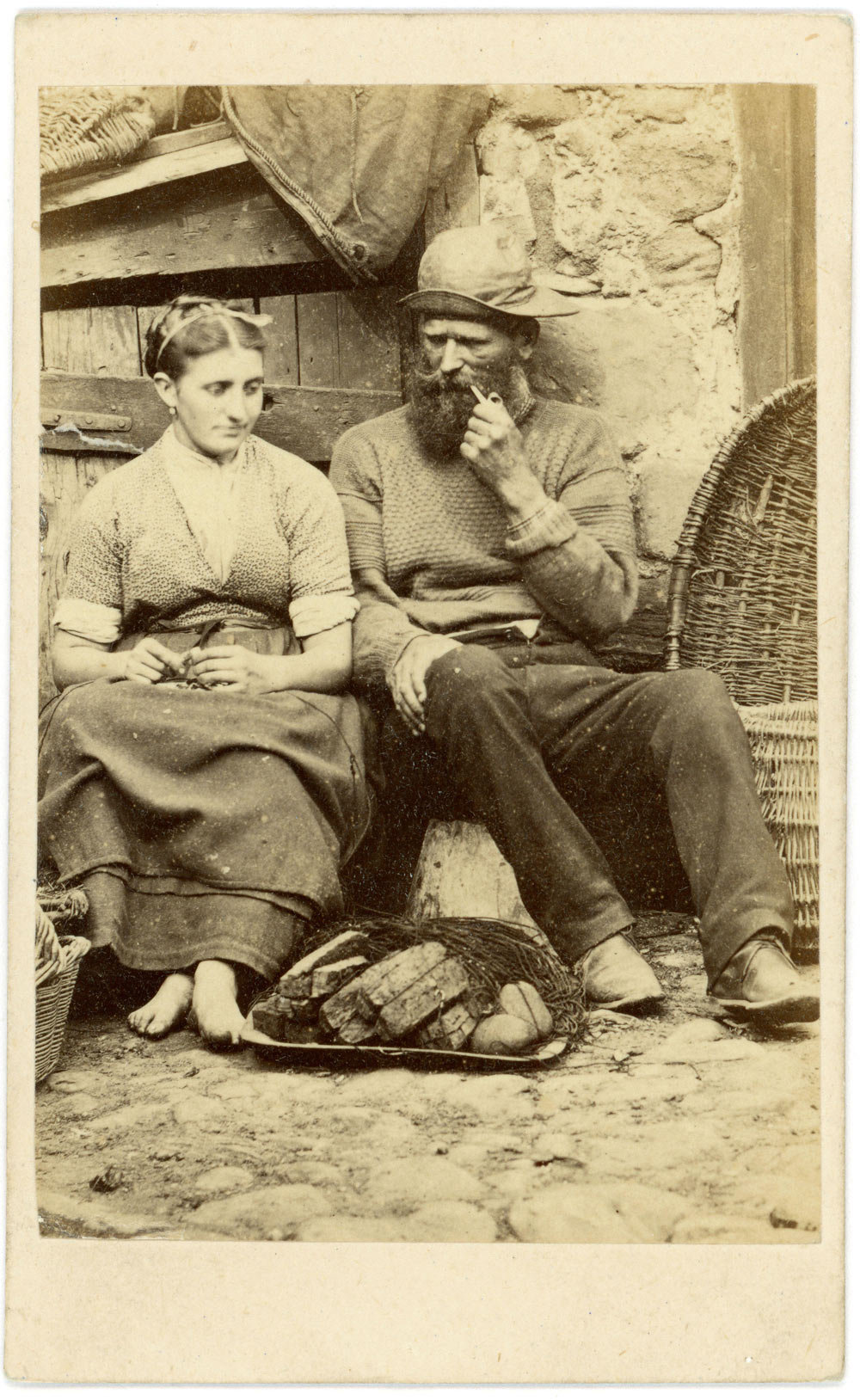
The tradition of gansey knitting has become a dying skill. In fact it is now listed as an endangered skill with Heritage Crafts.
Traditional fishermen’s jerseys are a real evolution of design to meet a purpose; they were always dark blue, tight fitting and knitted on the round needle ,so there were no seams. This made them warm and hardwearing. Under the arm there were gussets for freedom of movement and a fine, 5 ply wool was used to form a very dense garment that kept out the wind and sea spray.
The sleeve cuffs would be in plain, simple knit – these being the area where most wear is sustained. In true reuse and recycle style, the cuffs could be unravelled and reknitted to make good. The gansey was even reversible , allowing fishers to rotate which way the garment was worn to even out wear.
The jumpers were often worn over some kind of shirt. And the traditional neckerchief was worn to prevent irritation and neck chafing.
Areas of particular interest in the jumper are the patterns knitted across the chest area – this has great meaning in the life of a gansey. The pattern was peculiar to not only the location of the fisherman , but also his family too. Generations of wives and daughters knitted the gansey and passed the pattern down through generations. There are intricacies of design like ribbing stitches to represent rope ladders and other stitching to represent waves upon the beach, chains or nets.
With such detail, it was said that if a fisherman lost his life at sea, then the pattern on his jumper would help in his identification.